01
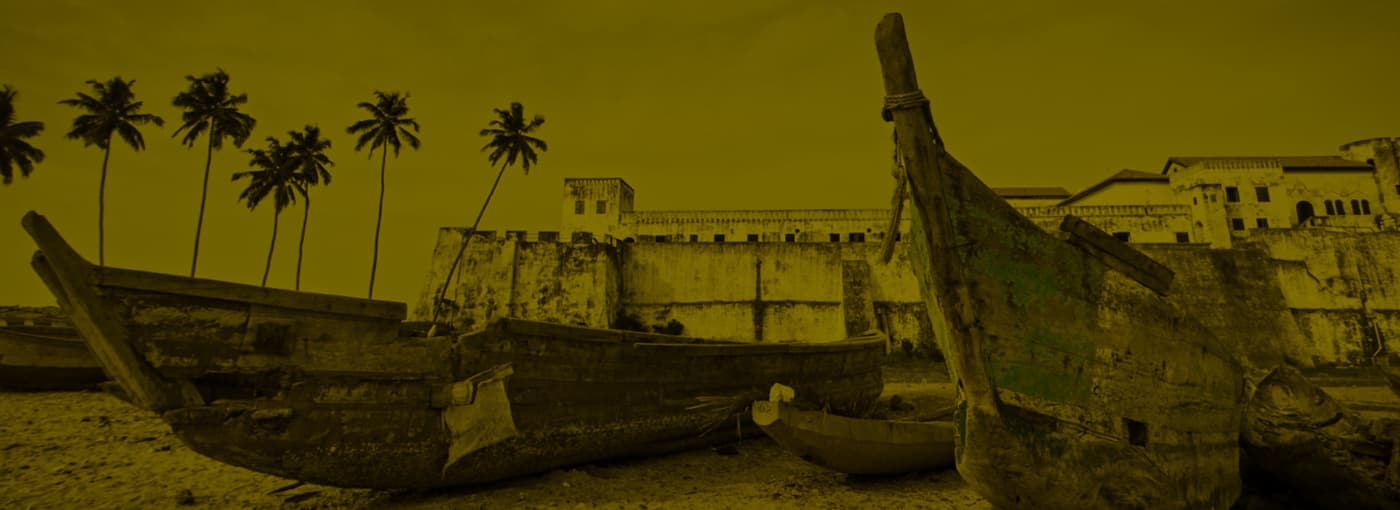
Cape Coast Castle & Fort St. Jago
The most visited of Ghana's slave dungeons, this 17th-century fortress is both historically crucial and emotionally heavy. The dungeons where enslaved people were held before shipment are preserved; the European living quarters above are incongruously opulent. Hire a guide (mandatory, around 50-100 GHS/$3-6 USD)—they provide context and handle the emotional weight well. Go early to beat crowds. Don't skip the small museum. Plan 2-3 hours. Many find it sobering rather than enjoyable; that's the point.
02
Elmina Castle (São Jorge)
Older and larger than Cape Coast Castle (built 1482), Elmina was where the trade began. The dungeon here is more claustrophobic and architecturally fascinating. The castle's museum covers Portuguese, Dutch, and British occupation. The view of Elmina town from the ramparts is beautiful. Guides are essential and available on-site (100-150 GHS/$6-9 USD). The nearby fishing village below offers authentic scenes—ask your guide about visiting. Allocate 3 hours minimum.
03
Kakum National Park & Canopy Walkway
One of West Africa's few canopy walkways, this rope bridge 130 feet above the rainforest canopy near Cape Coast is both thrilling and genuinely educational. You'll spot birds, monkeys, and forest diversity. The park has hiking trails of varying difficulty. Go very early (arrive by 6:30 AM) to maximize wildlife viewing and avoid crowds. Entry is 50 GHS (~$3 USD) plus guide fees (optional but recommended, 80-150 GHS). Best in dry season when visibility is clear. Takes 2-4 hours depending on trails chosen.
04
Accra: Jamestown & Labadi
Jamestown is Accra's oldest and most atmospheric neighborhood—chaotic, authentic, photogenic. Fishermen repair nets, street food sizzles, colonial buildings crumble beautifully. Walk to the Jamestown Lighthouse (free) for city views. Labadi Beach is Accra's main beach, lined with restaurants and fishermen. It's not pristine but it's real. Don't go solo at night. Spend a morning in Jamestown, afternoon at Labadi. Skip during December-January unless you want crowds and inflated prices.
05
Mole National Park Safari
Ghana's largest wildlife reserve in the north, Mole National Park offers savanna safaris and is home to elephants, antelopes, warthogs, and numerous bird species. Accommodations are basic but functional. Safaris are guided (morning walks at 6:30 AM are excellent for wildlife spotting). The landscape is dry, sparse, and very different from coastal Ghana. Getting here requires a journey (4-6 hours from Tamale by car), so commit 2-3 days. Worth it if you want a real safari experience without leaving Ghana.
06
Busua & Shama Beach Towns
These laid-back coastal villages west of Takoradi are where backpackers and expats retreat. Busua is smaller, more chilled, with good accommodation options. Shama is quieter still, with fishing village charm. Both have decent beaches, decent restaurants, and a slow pace that contrasts sharply with Accra. Excellent for decompressing, eating fresh fish, and meeting other travelers. Reached by minibus from Takoradi (1-2 hours). Ideal for 2-4 day stops. Often overlooked despite being genuinely relaxing.
07
Kumasi: Ashanti Cultural Center & Kejetia Market
Ghana's second-largest city, Kumasi is the historic heart of the Ashanti Kingdom. The Ashanti Cultural Center (near the Manhyia Palace Museum) explains Ashanti traditions and craftsmanship. The Manhyia Palace itself is a modern reconstruction of the royal palace and includes a museum on royal history (entry around 100 GHS/$6 USD). Kejetia Market is one of West Africa's largest markets—overwhelming, chaotic, excellent for textiles, beads, and crafts. Go with a local if possible. Morning visits are less crowded. Kumasi is 3-4 hours north of Accra by car or direct minibuses run regularly.
08
Wetlands & Birdwatching: Sakumo Lagoon
About 30 km west of Accra, Sakumo Lagoon is a wetland sanctuary with 200+ bird species. Less touristy than Kakum but excellent for serious birdwatchers. Best during dry season (November-March). Can be visited as a day trip from Accra with a guide (book through hotels or tour operators). Sunrise visits are most productive. This is a nature-focused activity, not a scenic destination—bring binoculars, manage expectations, go if ornithology interests you.