01
Tikal National Park (Petén Jungle)
Guatemala's most iconic site—massive Mayan pyramids (some 65 meters tall) buried in rainforest canopy. The largest urban center of the Mayan civilization (600–900 AD) feels genuinely remote; you'll hear jaguars and howler monkeys. Most tour operators put you at the complex by 6 AM to beat heat and crowds. The main circuit is manageable in a day, but staying overnight in nearby Flores lets you explore deeper and photograph temples at sunrise. Admission is 150 Q (~$19 USD); multi-day passes exist but guides are worth the extra cost. Humidity and insects are intense—bring high-SPF sunscreen and insect repellent.
02
Lake Atitlán & Surrounding Villages
One of Central America's most photographed lakes, ringed by three volcanoes and indigenous villages with distinct cultures. Panajachel is the main hub (touristy but useful for supplies), while Santiago Sacatepéquez, San Marcos, and Santa Cruz offer authentic experiences. Each village hosts different-day markets where Maya women wear huipiles (embroidered blouses) unique to that town. The lake's deep blue and surrounding corn fields create stunning visuals, but tourist infrastructure has grown significantly. Ferries connect villages cheaply (15–40 Q per ride, $2–5 USD). Volcanic hikes, weaving workshops, and kayaking are popular. Expect crowds if you visit the main villages; venture to Jaibalito or San Juan for tranquility.
03
Antigua (Ciudad de Santiago)
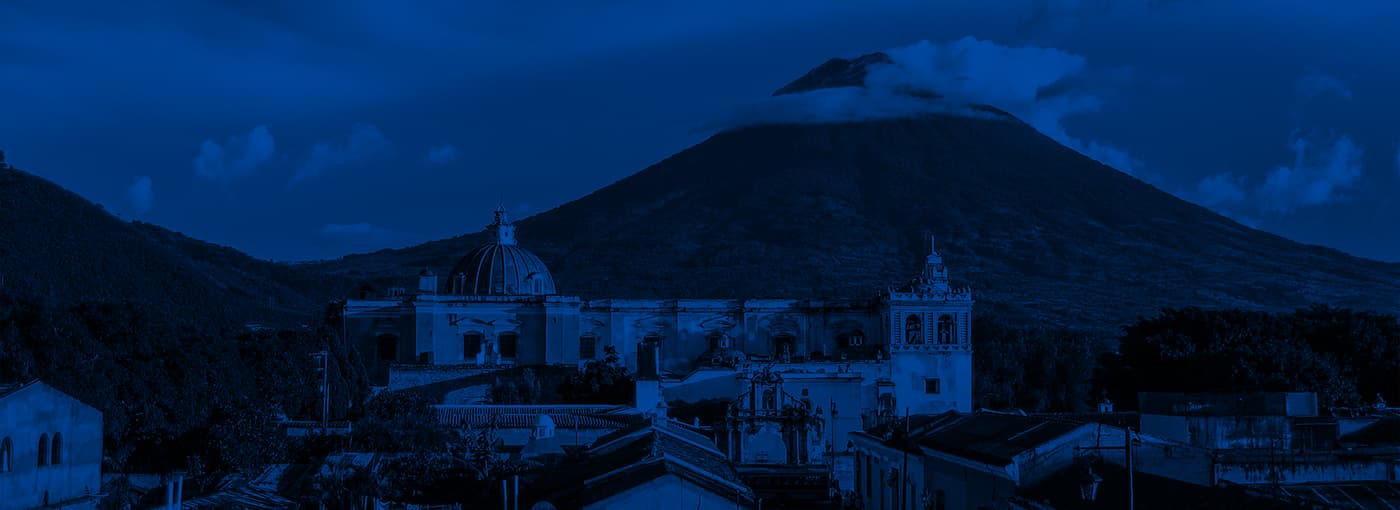
Guatemala's colonial jewel—cobblestone streets, pastel buildings, baroque churches, and mountain backdrops. This UNESCO site was Central America's capital until 1773 earthquake damage forced relocation. The Plaza Mayor is the heart; surrounding streets hide excellent restaurants and cafes. Walk the city on foot; most sites are within 30 minutes. The Convento de las Capuchinas is haunting and worth entry (15 Q). The Mercado Central (Central Market) is chaotic and authentic—textile vendors, food stalls, pickpockets. Stay a minimum of two days to avoid the day-tripper rush. Accommodation ranges from $8 dorm beds to $50+ boutique hotels. Street food is exceptional; local coffee is superb.
04
Chichicastenango Market
The Western Highlands' most famous indigenous market, packed Thursday and Sunday mornings with vendors selling textiles, flowers, pottery, and food. The market is genuinely touristy now—tour buses arrive early, prices are inflated for foreigners, and pickpockets operate freely. But it's still worth experiencing: the colors, languages (K'iche' Maya), and authentic food vendors are unmatched. Arrive by 7 AM if you want photos without crowds. Skip the main plaza vendors and explore side streets where locals shop. The adjacent Santo Tomás church (free entry) blends Catholicism with Maya traditions—incense, copal, and flowers. Go for culture and atmosphere, not bargains; expect to pay 30% more than elsewhere.
05
Volcan Pacaya
Active volcano near Guatemala City, hiked by thousands annually. You can walk to the crater rim and, on clear days, see the Pacific and Caribbean. The ascent is about 2–3 hours; the path is well-trodden but steep. Many hikers reach thermal vents and warm ground near the summit. Tours typically depart early morning from Antigua or Guatemala City (cost $30–50 USD including guide and transport). The experience is touristy—you'll share the trail with groups—but standing near active volcanic fumaroles is genuinely thrilling. Guides are essential for route navigation and safety. Bring plenty of water; the black volcanic rock reflects intense heat. Go in dry season for better visibility.
06
Semuc Champey & Lanquín Caves
A natural limestone bridge with turquoise pools stacked like a natural staircase, located in the Alta Verapaz region (east-central Guatemala). The multiple pools allow swimming; the setting is stunning and less touristy than Lake Atitlán. Nearby, the Lanquín Caves are accessible by foot or with a guide exploring underground rivers by tube. The area is reachable from Cobán (regional hub). Tours combine both sites (often 2 days, $60–100 USD all-inclusive). Accommodation is basic but cheap. Transport is slow—many buses, narrow roads—but the remoteness keeps crowds minimal. Perfect for travelers avoiding mainstream circuits.
07
Maximón (Santiago Sacatepéquez)
A venerated folk saint effigy central to Maya-Catholic syncretism, housed in a cofradía (traditional brotherhood building) in Santiago Sacatepéquez village on Lake Atitlán. Maximón is dressed in colorful clothing, given cigarettes and liquor by visitors, and moved between families annually during celebrations. It's a genuine spiritual and cultural site, not a museum. Guides (available in the village) explain the practice respectfully; tipping them $3–5 is customary. Photography etiquette matters—ask before snapping. This is where tourists often intrude clumsily, so awareness and respect separate a meaningful visit from a voyeuristic one. Open daily, though weekends see higher activity.
08
Livingston & Río Dulce
Guatemala's Caribbean gateway—Livingston sits at the mouth of the Río Dulce with Garifuna and Maya communities. Accessible only by boat, it feels separate from the rest of Guatemala. The town itself is relaxed, affordable, and strong on Caribbean culture; seafood is exceptional. Day trips up the Río Dulce (boat tours $40–60 USD) pass mangrove channels, hot springs, and Castillo San Felipe ruins. Accommodation is cheap ($8–15 for basic rooms). English is more common than Spanish due to tourism and Garifuna traditions. It's a worthwhile detour if you're visiting the Caribbean coast, though less essential if time is limited. The rainy season (May–October) is quietest and cheapest.