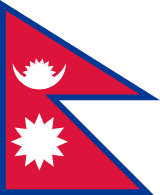
Nepal is where you go when you want to hike through cloud forests toward the world's tallest mountains, spin prayer wheels in centuries-old temples, and eat dal bhat while sitting cross-legged with locals who've become friends. It's not just a bucket-list country—it's a place that rewires how you see adventure and spirituality. Most visitors fly into Kathmandu's chaotic valley, trek the Everest region or Annapurna circuit, float down rivers, or paraglide over Pokhara's lake. You'll spend about $30–50 a day comfortably on a budget, meet trekkers from every continent, and encounter a culture that somehow stays authentic despite tourism. Nepal demands patience—infrastructure is rough, power cuts happen, and roads wind through mountains—but that's precisely why it's magical. Come for the views; stay for the people.
Going to Nepal?
Get an eSIM before you fly. Instant activation, no roaming bills.
Nepal has four distinct seasons, and timing matters hugely for trekking and mountain views.
Autumn (September–November) is peak season for good reason. September is still wet, but by October the skies clear, humidity drops, and visibility on mountains reaches its absolute best. Days are warm (around 68–75°F in Kathmandu), nights cool. Rhododendrons bloom in spring, but autumn gives you the sharpest Himalayan views—Everest, Annapurna, and Machhapuchhare look knife-edged against blue sky. Crowds peak mid-October through early November, though. Budget hotels fill up; trekking routes get busy. Prices are highest.
Spring (February–May) is the second-best window, especially late February through April. Temperature climbs (80–86°F by May), but views remain clear. Wildflowers bloom—rhododendrons blanket hillsides in pink and red. By May, haze builds at lower elevations, so treks above 3,000m stay clear. Fewer crowds than autumn, slightly cheaper. Wind can kick up in afternoons at higher elevations.
Monsoon (June–August) brings heavy rain, landslides, and leeches on jungle trails. Mountain views are obliterated by clouds. However, prices plummet—hotels 20–40% cheaper—and trekkers are sparse. If you're flexible and avoid high-altitude routes, monsoon Nepal is magical: waterfalls thunder, valleys glow green, and you have temples and towns to yourself. Pokhara and lower valleys are surprisingly doable; avoid high passes like Thorung La.
Winter (December–January) is cold and clear at lower elevations but brutal above 10,000 feet. Kathmandu rarely freezes, but Pokhara gets damp. Many teahouses on high treks close. Not ideal for Everest Base Camp trekking, but good for cultural tourism and lower-elevation walks. Fewer crowds, very cheap.
For trekking Everest Base Camp or Annapurna, aim for October or late February–March. For Kathmandu, Pokhara, and cultural sites, October–November or February–April are best. Avoid June–August for serious mountain treks.
Top Things to Do in Nepal
01
Everest Base Camp Trek
A 12–14 day trek from Lukla (fly-in town) through Sherpa villages, rhododendron forests, and ice-blue mountain streams to Base Camp at 17,598 feet. You won't summit—you'll hike to where climbers stage their assault. The Khumbu region feels like another world. Stay in teahouses, eat simple food, acclimatize carefully. October–November or February–March only. Physically demanding but doable for fit amateurs. Hire a local guide (essential for safety and support); budget $800–1200 with flights, guide, and lodging.
02
Pashupatinath Temple, Kathmandu
Nepal's holiest Hindu shrine sits on the Bagmati River's east bank. Pilgrims bathe in the water; cremations happen publicly on ghats (steps). The main temple is ornate gold-roofed pagoda; a museum and dozens of smaller shrines surround it. Sunrise is the best time—fewer tourists, better light, and you'll see sadhus (holy men) meditating. Modest dress required. Entry is free for Hindu pilgrims; foreigners pay about $5. Bring respect and a strong stomach.
03
Boudhanath Stupa, Kathmandu
One of Asia's largest stupas, this whitewashed dome with giant painted eyes sits in Kathmandu's northeast. Circumambulate clockwise (Buddhism 101), watch monks chant, spin prayer wheels. It's less chaotic than Pashupatinath and deeply meditative, especially at dawn or dusk when the light turns gold. Monasteries surround it; pop into a few. The neighborhood has excellent Tibetan restaurants and budget guest houses. Entry $3. Plan 2–3 hours.
04
Annapurna Circuit Trek
A 15–21 day loop through diverse ecosystems—rhododendron forests, alpine meadows, then descending through subtropical valleys. Thorung La Pass (17,769 feet) is the crux: stunning but exhausting. Unlike EBC, you need no permits or guides technically, but guides improve safety and experience. Guesthouses line the route; you sleep at teahouses. October–November or February–April. This trek is more varied than EBC; fewer crowds in spring. Budget $1000–1500 including flights and guide.
05
Pokhara Lake & Paragliding
Pokhara, a city of 200,000 on a massive alpine lake 3.5 hours southwest of Kathmandu, is Nepal's adventure capital. The lake is calm and stunning, reflecting Annapurna and Dhaulagiri. Paragliding here is world-class—you launch from a hilltop, soar over the lake and valley for 45–60 minutes, and land by the water. Companies like Avia Club and Pokhara Paragliding run daily flights ($80–120). Rent kayaks, hike to nearby waterfalls (David's Fall, Patalebaugh), or simply chill in lakeside cafes.
06
Kathmandu Durbar Square
A UNESCO World Heritage complex of palaces, courtyards, and temples that was the royal seat until 1886. The 2015 earthquake damaged it severely, but restoration has brought most buildings back. Hanuman Dhoka (Old Royal Palace) is an ornate masterpiece; the Kumari Temple houses Nepal's living goddess. Streets around the square are chaotic—narrow, crowded, car-free—and filled with shops, cafes, and locals. Get lost deliberately. Sunset light here is magical. Entry about $8 for foreigners.
07
Chitwan National Park Safari
Nepal's premier wildlife reserve, 3–4 hours south, protects tigers, rhinos, sloth bears, and mugger crocodiles in grasslands and jungles. A two-day package includes lodge, jeep safari, and canoe trips on the Rapti River. Early mornings offer best sightings—rhinos are common, tigers rare but possible. Less crowded than African parks; more intimate. Lodges range from budget ($40/night) to luxury ($200+/night). Not family elephants available if you prefer ethical alternatives to riding. October–February are best months.
08
Nagarkot Sunrise Hike
Nagarkot, a ridge town 30km northeast of Kathmandu, offers the easiest mountain sunrise experience in Nepal. Hike 2–3 hours uphill from Changunarayan temple before dawn; reach a viewpoint as the sun hits the Himalayas (Everest, Cho Oyu, Langtang visible on clear days). Most visitors hire a jeep up, walk down through farmland and villages. Nagarkot has guesthouses; stay overnight ($15–40/night) or do a day trip from Kathmandu. October–November or February–March for clearest views.
Hidden Gems & Local Favorites
Locals know about these. Most tourists don't.
Namo Buddha
A sacred Buddhist pilgrimage site and small village 45km from Kathmandu where a prince supposedly gave himself to a tigress. Hike through farms and forests, visit quiet monasteries, and stay in basic homestays. Locals call it sacred; tourists barely know it. Perfect for those craving authentic spiritual culture without crowds or infrastructure demands. Day trip possible; overnight recommended.
Janakpur (Mithila Art Region)
A holy city in eastern Nepal where Sita (from the Ramayana) was born. It's less touristy than Kathmandu but culturally dense. Women here practice Mithila art—intricate painted patterns and figures passed down for generations. Visit studios, watch artists work, buy authentic pieces. The Vivaha Mandap (marriage temple) and surrounding ghats are pilgrimage sites. October–February is best; summer is brutally hot.
Langtang Valley Trek
A 7–8 day trek north of Kathmandu through rhododendron forests to high alpine meadows and glacial views. Less crowded than Everest or Annapurna, still spectacular. Villages are small; you'll meet far fewer trekkers. Langtang Village itself sits at 11,500 feet with Langtang Lirung dominating the view. Teahouses provide lodging; budget $600–800 with guide and flights. Great for intermediate trekkers wanting less-traveled paths.
Tansen (Dhaka)
A hilltop town west of Pokhara famous for dhaka fabric (traditional woven cloth used for topees/hats) and metalwork. Narrow stone-paved streets, traditional Newari architecture, no cars. Sunsets over the Madi River valley are extraordinary. Stay in simple guesthouses ($10–20/night), buy fabric directly from weavers, hike surrounding ridges. It's a genuine working town, not a tourist trap. Perfect for those seeking substance over spectacle.
What to Eat & Drink in Nepal
Dal Bhat
Lentil soup (dal) and rice (bhat) with vegetable curry, pickle, and sometimes meat. It's the national dish and what trekkers survive on. Endless; eat as much as you want for $1–2. Variations exist everywhere; taste refined in cities, rustic on trekking trails. Ask for extra raksi (local spirit) if you want an adventurous dinner.
Momo
Dumplings stuffed with meat (buff/yak) or vegetables, steamed or fried, served with spicy sauce (achar). Nepali/Tibetan staple, obsession-worthy. Street vendors sell them; restaurants perfect them. $0.50–1 for 4–5. Buff momo with hot sauce is peak comfort food. Find them everywhere in Kathmandu.
Thukpa & Sherpa Stew
Thukpa is a noodle soup with meat/vegetables; Sherpa stew is hearty yak, potatoes, and herbs. Both warm you on cold mountain afternoons. Thukpa is lighter, found everywhere. Sherpa stew is rustic, specific to high-altitude regions—try it on Everest trek. $1.50–3 depending on location and altitude.
Newari Cuisine
Kathmandu's indigenous food tradition includes saahan (spicy soup), bara (fried lentil cakes), and sukuti (dried yak/buffalo meat). Newari restaurants cluster in Kathmandu's Thamel and Bhaktapur. Flavors are complex, spicy, and memorable. Try Newari set meals ($3–6) at places like Krishnarpan Bistro (upscale) or street vendors near Durbar Square.
Chiya (Nepali Tea)
Tea brewed with milk, spices (cardamom, cinnamon), and lots of sugar. It's served sweet and milky everywhere—lodges, teahouses, street stalls. Ask for 'chiya' or 'milk tea.' Budget travelers' fuel. A cup costs $0.20–0.50. Black tea (kalo chiya) also exists but is less common.
Raksi & Local Beer
Raksi is a homemade spirit (sometimes rice, sometimes potato-based) varying wildly in strength and quality. Try cautiously. Commercial beers include Everest, Tuborg, and San Miguel ($0.50–1 per bottle at shops, $2–4 at restaurants). Alcohol is culturally acceptable; drinking while trekking less so (save energy, respect the trek).
Culture, Etiquette & Customs
Nepal blends Hinduism (81% of population) and Buddhism (9%) with local practices, making culture nuanced and respectful behavior essential.
Greetings: The traditional greeting is 'Namaste'—palms together in front of the chest with a slight bow. It translates roughly to 'I honor the divine in you.' Use it when meeting someone or departing. Handshakes also work in formal or touristic contexts. Touching someone's head or feet is deeply disrespectful; avoid it even in jest.
Religious Sites: Remove shoes before entering temples and monasteries. Women should cover shoulders and knees; men should avoid shorts. Don't touch religious objects (prayer wheels, statues, ritual items) without permission. Circumambulating stupas always clockwise; counterclockwise is offensive. During pujas (prayer ceremonies), sit quietly and observe—don't take photos unless invited.
The Sacred Cow: Cows are holy in Hinduism. Don't eat beef in Nepal (it's culturally offensive and legally restricted in some provinces). Beef isn't served in most restaurants anyway. Stepping over someone's legs while sitting is rude; ask them to move or go around.
Dress Code: Kathmandu and Pokhara are cosmopolitan; shorts and tank tops are fine. In villages and temples, dress conservatively. Nepali women wear traditional sarees and men sometimes wear daura-suruwal; you're not expected to, but showing respect through modest clothing matters. Avoid red in certain contexts (mourning colors differ from the West).
Tipping & Payment: Tipping isn't mandatory but is appreciated. Restaurants 5–10% if service isn't included; trekking guides and porters expect 10–15% of their wages (about $5–10 per day depending on their salary). Hotel staff, drivers, and tour guides appreciate small tips. Bargaining is expected in markets but not in fixed-price shops or restaurants.
Left Hand Taboo: In Hindu and Muslim traditions, the left hand is considered unclean. Eat, give, and receive with your right hand when possible. It's taken seriously, especially by older generations and in traditional settings.
Punctuality: Nepal runs on 'Nepali time'—flexible, not rigid. Meetings start late; buses depart when full, not on schedule. Patience is a virtue. Don't stress if a trekking guide appears 30 minutes after planned departure.
Language Basics: Nepali is the national language. English is spoken by younger people and in tourism centers, but try basic phrases: 'Dhanyabad' (thank you), 'Kripaya' (please), 'Hajur' (yes/respected form), 'Chhaina' (no). Learning a few phrases endears you to locals.
Photography: Ask before photographing people, especially in rural areas. Avoid photographing cremations or sadhus at Pashupatinath without permission. Some locals will ask for payment; negotiate respectfully or move on.
Getting Around Nepal
Nepal's infrastructure is improving but remains challenging. Patience and flexibility are essential virtues.
Flying: Nepal's main airport is Tribhuvan International Airport (TIA) in Kathmandu. Domestic flights connect Kathmandu to Pokhara (45 minutes, ~$60–100), Lukla (for Everest treks, 30 minutes, ~$150–200 one-way), and smaller towns. Yeti Airlines and Himalaya Airlines are major carriers. Booking 2–3 weeks ahead is smart; prices rise near your dates. Flights are weather-dependent; morning departures are safer. Expect delays.
Long-Distance Buses: Buses connect major towns—Kathmandu to Pokhara (6–7 hours, $5–15 depending on comfort), Kathmandu to Janakpur (8 hours, $4–10), Kathmandu to Chitwan (4–5 hours, $6–12). Two main companies: Greenline Express (luxury, A/C, $20–35) and local public buses (cheap, packed, slow, but colorful). Book Greenline in advance through travel agents or hotels; catch local buses at bus stations (chaotic but doable). Night buses are common but risky—roads are winding, accidents happen. Day travel is safer.
Taxis & Ride-Hailing: Kathmandu and Pokhara have metered taxis (flag down on streets). Always insist on the meter or agree on a fare beforehand; overcharging tourists is common. Uber doesn't operate in Nepal, but Pathao (bike-sharing) and a few local ride-apps exist in Kathmandu. For safety and simplicity, use your hotel to arrange taxis; add 10% to the meter as tip.
In-City Transport: Kathmandu and Pokhara have local buses—cheap ($0.15–0.30 per ride) but horrendously crowded. Taxis are more practical ($1–3 within city). In Kathmandu, walking Thamel and Durbar Square is faster than any vehicle due to traffic. Renting motorcycles is possible but risky (traffic is chaotic, road conditions poor); not recommended for unfamiliar riders.
Trekking Logistics: For trekking, you'll hike with a guide and/or porter. Hiring locally via your hotel, trekking company, or outfitter ensures fair wages. Solo trekking is possible on well-marked routes (Everest Base Camp, Annapurna) but guides add safety and context. Permits are required for some areas (Everest, Annapurna)—travel agents handle this. Teahouses provide accommodation and meals; bring a sleeping bag (teahouses provide blankets but it's cold at altitude).
Money, Budget & Costs
Nepal is extraordinarily cheap, especially for Westerners. Currency is the Nepali Rupee (NPR); exchange rates hover around 130–135 NPR per 1 USD (check current rates).
Daily Budgets:
- Budget travelers: $25–40/day (basic guest house, dal bhat meals, local buses, free attractions)
- Mid-range: $60–120/day (decent hotel, restaurant meals, domestic flights, paid attractions, trekking with guide)
- Luxury: $200+/day (4-star hotels, upscale restaurants, private drivers, premium treks)
Cash vs. Card: Nepal is increasingly card-friendly in Kathmandu and Pokhara but remains cash-dependent elsewhere. ATMs are ubiquitous in cities; withdraw NPR in Kathmandu (not at the airport—rates are poor). Credit cards (Visa, Mastercard) work at mid-range and upscale hotels/restaurants, but expect 2–3% surcharges. Budget accommodations and street food vendors accept cash only. Bring some USD or EUR as backup; exchange rates for these are reasonable at banks and money changers.
Bargaining Culture: Street markets (Kathmandu's Thamel Market) expect bargaining—vendors quote 2–3× actual price initially. Counter at 40–50% of their ask; meet in the middle. Fixed-price shops (grocery stores, some touristy restaurants) don't negotiate. Teahouse and restaurant bills are fixed. Trekking guide and porter wages are negotiable but shouldn't be haggled below fair rates (ask your tour operator what's standard).
Tipping Norms: Not obligatory but appreciated. Restaurants 5–10% if service was good (not always included). Trekking guides and porters expect 10–15% of their daily wages (about $5–10/day per person). Hotel housekeeping $1–2/night. Taxi drivers add 10% to meter fare. Tour drivers and attractions staff don't expect tips but appreciate $1–2.
Common Rip-Offs:
1. ATM scams: Use ATMs in banks or hotel lobbies, not street-corner machines. Skimming is rare but possible.
2. Overcharging tourists: Always ask prices upfront. Taxis without meters will overcharge; insist on meter or walk away.
3. Gem scams: Thamel shops selling 'authentic' rubies and sapphires to tourists often sell fakes. Avoid unless you're an expert.
4. Trekking package inflation: Book with established companies (Adventure Alternative, Himalayan Guides) not random touts in the street.
5. Fake travel insurance: Some agents sell worthless 'policies.' Arrange insurance from your home country before traveling.
Money-Saving Tips: Eat where locals eat (dal bhat for $0.80–1.50 vs. tourist restaurants at $8–12). Use local buses instead of taxis. Stay in guest houses ($12–25) not hotels. Book flights and multi-day treks in advance. Travel during shoulder season (March–April, September–early October) for cheaper rates and fewer crowds.
Safety & Common Scams
Nepal is generally safe for tourists, but common sense and caution reduce risk.
Overall Safety: Nepal has no current armed conflict or widespread violence. Kathmandu and Pokhara are safe by day and mostly safe at night if you avoid empty streets and excessive alcohol. Street crime (pickpocketing, bag-snatching) happens in crowded markets and buses—keep valuables close, use money belts, and don't flash expensive gear. Violent crime against tourists is rare.
Specific Scams:
1. Fake guides: Touts at Kathmandu airport and Thamel offer 'guide services' and tours at inflated prices. Use your hotel or established tour operators instead. Verify credentials.
2. Restaurant overcharging: Some Thamel restaurants charge foreigners 2–3× marked prices or add fake items to bills. Ask for itemized bills; double-check before paying.
3. Gem/carpet scams: 'Deals' on rubies, sapphires, or Tibetan carpets often target tourists. Stones are fake, carpets overpriced. Buy only from reputable shops with certificates, or skip entirely.
4. Commission schemes: Travel agents, hotel staff, and 'helpful' locals recommend restaurants/shops where they earn commission. They'll guide you there aggressively. Politely decline.
5. Fake permits: On treks, porters sometimes claim you need permits you actually don't. Verify with your guide; don't pay random demands.
Neighborhoods to Avoid: Thamel late at night (rowdy bars, some theft). Freak Street (Kathmandu's old hippy zone) after dark. Remote villages without established tourism infrastructure (lack police presence). Solo travelers shouldn't wander isolated areas after sunset.
Women Solo Travelers: Nepal is generally safe for women traveling alone, especially in touristy areas. Sexual assault is rare against foreigners. Catcalling and staring happen; ignore and move on. Dress modestly to minimize attention. Stay in female-only dorm rooms or private hotels. Avoid alcohol in sketchy bars. Trust your instincts; if something feels off, leave.
Staying Connected in Nepal
Mobile connectivity in Nepal is improving but remains inconsistent, especially in rural and high-altitude areas. Kathmandu and Pokhara have solid 4G coverage via major carriers like Nepal Telecom, Ncell, and Smartcell. Coverage outside cities drops significantly—villages have patchy 3G or 2G, and high-altitude trekking routes may have none. WiFi is available in most hotels, guesthouses, and cafes in Kathmandu and Pokhara (quality varies; speeds are slow), and many teahouses on popular treks offer WiFi (often paid, $0.50–1/day). However, relying on guesthouse WiFi is risky—bring an eSIM as backup. International roaming from your home provider is expensive ($5–15/day typically) and slow. A local SIM card requires passport registration and 2–3 days; impractical for short trips. An eSIM is your smartest move: activate instantly before landing, choose data-only plans ($10–30 for 7–30 days depending on provider), and swap between countries seamlessly. SOO eSIM offers plans covering Nepal with reliable 4G data, perfect for navigation, messaging, and staying in touch during trekking downtime. No SIM swap hassles, fair pricing, and 24/7 support make it the practical choice for Nepal travelers.
Tourists jump into Everest Base Camp or high Annapurna passes without acclimatization. AMS is real; headaches, nausea, and sleeplessness ruin trips or worse. Ascend slowly, spend nights at intermediate altitudes, and descend if symptoms worsen. Don't rush. Most trekking itineraries include rest days for acclimatization—use them.
Skipping the Guide or Porter
Solo trekking saves money but removes safety margins. If you fall, guides summon help; if you get lost, they navigate. Hiring locally ensures fair porter wages (don't exploit them). A guide ($15–30/day) adds context and protection. It's not a luxury; it's practical.
Visiting During Monsoon Without Flexibility
June–August brings landslides, leeches, and clouds obscuring views. Flights cancel; trekking routes close. If monsoon travel is unavoidable, stick to lower elevations (Pokhara, Chitwan, Janakpur). Don't expect Himalayan vistas. Budget extra time for delays.
Not Respecting Religious Sites
Removing shoes in temples, covering shoulders/knees, and asking before photographing matter deeply. Tourists treating temples as photo ops rather than sacred spaces offend locals and invite confrontation. Slow down, observe rituals, and be reverent.
Believing Everything Touts Tell You
Street 'helpers' in Kathmandu offer tours, guide services, and restaurant recommendations because they earn commissions. They overcharge and waste your time. Politely decline. Book through hotels or established operators. Trust posted reviews over random recommendations.
Frequently Asked Questions
Most Western nationalities (US, UK, Canada, Australia, EU) get 60–90 day tourist visas on arrival at Tribhuvan Airport for about $40–60 USD (cash). No advance application needed. You can also apply online via eVisa (evisa.nepalimmigration.gov.np) before arrival. Bring a passport photo. Visa on arrival is faster and less hassle for most visitors. Check your specific nationality's requirements with the Nepali embassy.
Budget travelers: $350–560 (hostels, dal bhat, local buses, basic treks without guide). Mid-range: $840–1680 (decent hotels, restaurant meals, domestic flights, guided 7-day trek). Luxury: $2800+ (5-star hotels, private drivers, expensive treks, helicopter tours). Trekking costs (guide, porter, lodging, permits) vary; expect $600–1200 for a 10–14 day trek including all logistics. Flights to Nepal aren't included in these budgets.
October–November (autumn) and February–March (spring) are ideal. October offers the clearest mountain views but highest crowds and prices. February–March has fewer tourists, mild temperatures, and good visibility. Avoid December–January (freezing, teahouses close), June–August (monsoon, clouds), and May (haze, heat at lower elevations). Treks take 12–14 days typically.
Nepal is generally safe for solo travelers and women. Violent crime against tourists is rare. Kathmandu, Pokhara, and trekking routes are well-traveled and relatively secure. Women may experience catcalling and staring; it's rude but not dangerous. Dress modestly to minimize unwanted attention. Stay in established hotels, avoid isolated areas after dark, and trust your instincts. Arrange travel insurance and share your itinerary with someone.
Bring a 40–50L backpack, sleeping bag (essential for high altitude), moisture-wicking clothing layers (cotton absorbs sweat; merino wool is better), warm jacket, rain jacket, sturdy hiking boots, sun protection (hat, sunscreen, sunglasses), toiletries, medications (altitude sickness pills, pain relievers, antibiotics), first-aid kit, and a headlamp. Teahouses provide blankets but not sleeping bags; bring your own for warmth. A trekking pole reduces knee strain. Leave non-essentials in Kathmandu; porters carry excess baggage.
Tribhuvan International Airport (TIA) is 5km south of Kathmandu. Taxis cost $8–15 (negotiate beforehand or use the pre-paid taxi counter inside; avoid touts outside). Ride-apps like Pathao (bike) are cheaper ($2–4) but riskier with luggage. Hotel pickup (arrange via email before arrival) is safest and costs $15–25. Public buses exist but are confusing with luggage. Journey time is 20–45 minutes depending on traffic.
Kathmandu sits at 4,344 feet (1,324m)—no altitude sickness risk, but slower pace is wise. Pokhara is at 2,950 feet (900m). Everest Base Camp trek reaches 17,598 feet (5,364m). Annapurna Circuit peaks at 17,769 feet (5,416m). Acclimatization is critical above 8,000 feet. Headaches and nausea are common initially; rest and hydration help. Diamox (prescribed by doctors) aids acclimatization. Descend immediately if severe symptoms develop.
Avoid tap water (use bottled or boiled). Raw vegetables and unpeeled fruits can harbor parasites; peel or cook them. Undercooked meat is risky; eat at busy restaurants with high turnover. Street food is delicious but variable—eat where locals eat and where food is hot. Milk and dairy from unknown sources may be unpasteurized. Bottled water, cooked foods, and established restaurants minimize stomach issues. Most travelers get minor GI upset regardless; bring Imodium and oral rehydration salts.
Nepal Travel Guide: Himalayas, Culture & Adventure | SOO eSIM
Car Rental:
Renting a car with driver ($40–80/day) is useful for day trips from Kathmandu or exploring regions like Chitwan. Without a driver, navigating Kathmandu's traffic is inadvisable. Roads outside cities are narrow, winding, and sometimes unpaved. International driving permits aren't strictly enforced but carrying one is smart.
Altitude & Health:
Trekking in the Himalayas exposes you to altitude. Ascend slowly, stay hydrated, and descend if symptoms (headache, nausea) worsen. Acute Mountain Sickness (AMS) is real. Acclimatization days are built into good treks. Carry diamox if advised by a doctor; it helps prevent AMS.
Tap Water & Food Safety:
Don't drink tap water—it's not treated. Use bottled water (everywhere, $0.25–0.50) or filtered water from lodges. Ice in drinks is risky; ask for drinks without ice or use boiled water. Food hygiene varies: eat at busy restaurants with high turnover (fresh food), avoid street food if your stomach is sensitive, and choose cooked foods over raw. Trekking lodge food is generally safe (boiled water, simple ingredients). Stomach issues happen despite precautions; Imodium and oral rehydration salts are your friends.
Altitude Sickness:
High-altitude treks carry risk of Acute Mountain Sickness (AMS). Symptoms include headache, nausea, and shortness of breath. Ascend slowly, rest at intermediate altitudes, and descend immediately if symptoms don't improve. Diamox (prescribed by doctors beforehand) helps. Severe cases require immediate descent and medical care.
Emergency Contacts:
Police: 100, Ambulance/Fire: 101, Tourist Police (Kathmandu): +977-1-4247051, hospitals in Kathmandu: Norvic Hospital, Kathmandu Medical College, Nepal Medical College. Obtain travel insurance before arrival; it should cover medical evacuation (crucial for high-altitude emergencies).
Permits & Legality:
Trekking in restricted areas (upper Mustang, certain Maoist-affected zones) requires permits ($10–50/day). Your tour operator arranges these. Don't attempt restricted areas without permits. Marijuana is technically illegal, though some areas are lax; using is risky and disrespectful to conservative locals.